
Designing Solar Future...

Keep your home warm during chilly Andalusian winters with smart, zoned electric heating systems designed for technical efficiency and solar compatibility.
Stop heating empty rooms. Zoned smart thermostats allow you to heat specific areas only when they are occupied, saving massive amounts of power.
Upgrade from old, dry clay-core radiators to high-performance ceramic or fluid-filled radiators that retain heat far longer.
Combine heat pumps with low-temperature radiators to achieve comfortable, ambient heat without dry air or high electrical spikes.
We are honest: raw electrical resistance heating is expensive. We design systems that blend thermal storage, zoning, and solar output to keep running costs low.
We compute the volume of each room and its heat loss variables to specify the exact radiator wattage required, preventing under-heating.
We integrate your heating with platforms like Google Home or Apple Home, enabling intelligent geofencing and automatic temperature setbacks.
We ensure your heating circuit is correctly wired and load-balanced so that running multiple radiators won't trip your house limit.
Smart Zoning
We set up zoned radiators and smart thermostats, preventing wasted electricity in empty rooms.
Although heating is mostly needed at night, a smart system can use daytime solar surplus to pre-heat the thermal mass of your home. By running your heat-pump heating or ceramic emitters during the late afternoon when solar output is still strong, we 'charge' your floors and walls with heat. This thermal battery effect keeps your home warm into the evening, delaying grid electricity draw.
Discuss your property layout with us. We will calculate room volumes and suggest a balanced electric heating setup.
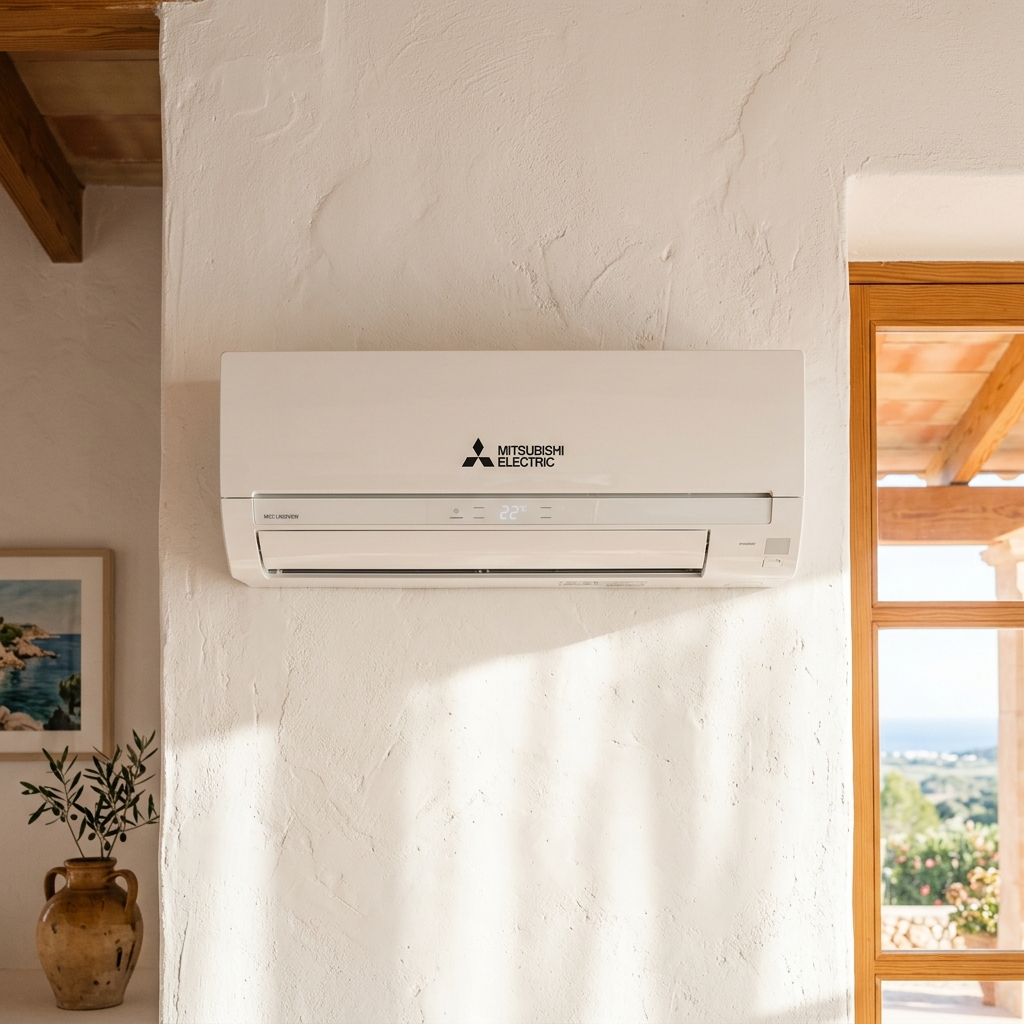
High-efficiency inverter heat pumps providing whisper-quiet cooling in summer and cost-effective heating in winter.
Learn More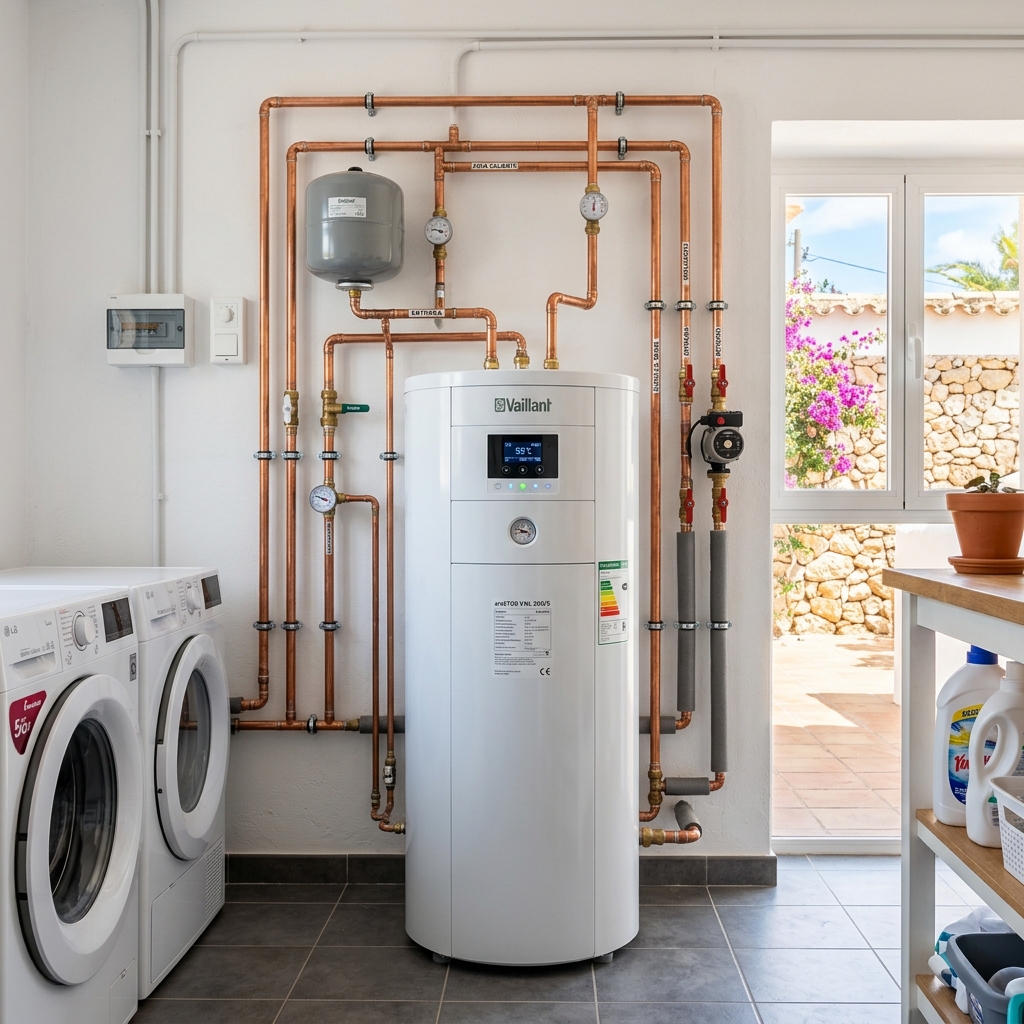
Advanced aerothermal heat pumps and solar-optimized electric boilers replacing outdated immersion heaters.
Learn More
Inverter pool heat pumps extending your swimming season by months, running on self-consumed daytime solar.
Learn More